


The rate of failure of small business start-ups is well known. The Small Business Administration reports that among new firms with employees, 30% survive less than two years, and 50% don’t make it to five years. For sole proprietors, the survival rate is even lower.


It’s never too late to plan ahead.
It's that time of year! Maybe you are already gathering documents and determining what you owe – and, more importantly, what you can deduct. Maybe you are more of a last minute person. Either way, here is some help for preparing your 2014 tax returns, including five tax changes to anticipate in 2015:

When your company joins forces with another party on a joint project or business activity, you may need a business operating contract for a limited time period. In this situation, the joint venture agreement is vital for protecting your company's rights.
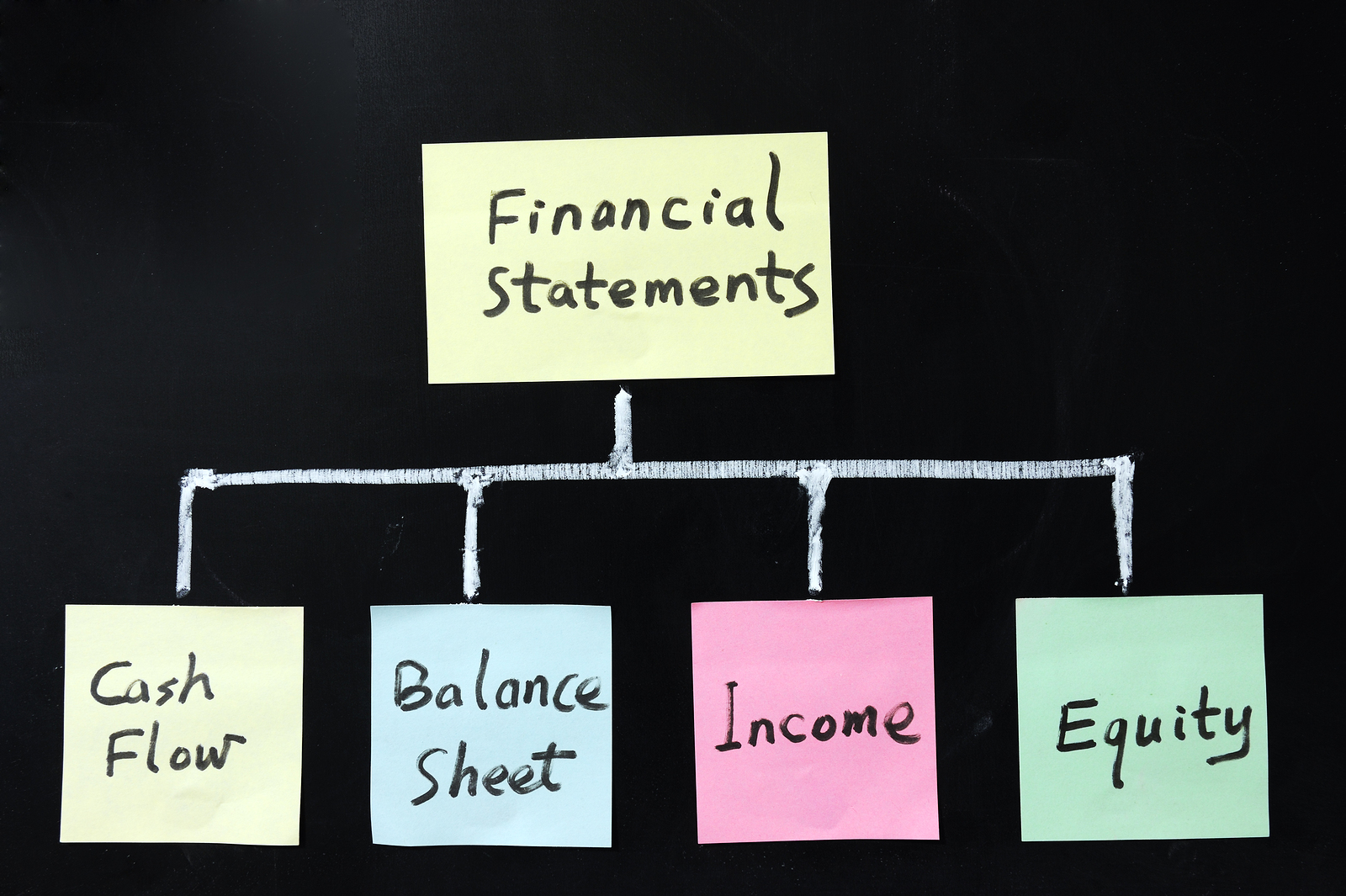
Many small business owners pay too little attention to their financial statements. Unfortunately, these owners don’t understand just what the statements have to offer. Small business owners should become familiar with three basic financial statements – Balance Sheet, Income Statement, and Cash Flow Statement.

Are you a small business owner or entrepreneur who owns commercial real estate? You may be able to reduce your current income tax bill by using cost segregation. Your potential tax savings increases with the cost of your property.

Is it necessary for nonprofit organizations to examine their policies every year? Changes that impact the organization, both internal and external, recommend an annual policy review. Here are three types of changes that nonprofit boards should monitor.

Do you know who you have designated as beneficiaries on your insurance policies and retirement accounts? It’s not uncommon to forget, especially when the decisions were made years ago. It’s proably time to review and, if necessary, update those designations.

Are considering the sale of your principal residence? You probably know that you will be able to exclude up to $250,000 of gain ($500,000 for most joint filers). IRS regulations may now allow you to apply this gain exclusion when you sell vacant land that is adjacent to your home.

There are tax advantages to working for yourself. Full-time or part-time, if you are self-employed, you can take advantage of a variety of tax breaks. Here are some of those benefits available to entrepreneurs:

There are few limitations to the bankruptcy protection from creditors traditionally afforded to retirement funds. This protection extends to funds in all government-qualified pension plans, including IRAs (traditional and Roth), 401(k)s, 403(b)s, Keoghs, profit sharing, money purchase, and defined benefit plans. However, the U.S. Supreme Court recently ruled that an inherited IRA is not a "retirement fund" and therefore doesn't qualify for bankruptcy protection.